
What Are Load Controllers? Everything You Need to Know
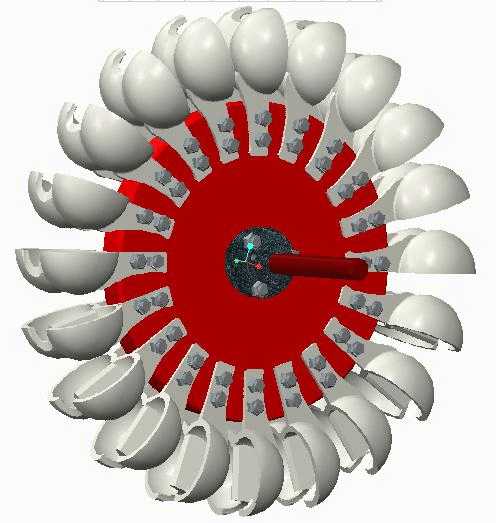
? What Are Load Controllers? Everything You Need to Know
Load controllers—also known as electronic load controllers (ELCs)—are essential devices used in small-scale hydropower, wind, and solar power systems to regulate and stabilize electrical load. Their main purpose is to maintain a constant electrical frequency and voltage by automatically adjusting the load connected to the generator. This ensures that excess energy doesn't damage the system or cause instability.
⚙️ How Do Load Controllers Work?
In hydro or renewable power systems, the amount of power produced often fluctuates based on natural inputs (like water flow or wind speed). If not enough energy is consumed by the connected appliances (also called the "user load"), the excess power can cause the voltage or frequency to rise dangerously.
To prevent this, the load controller diverts excess energy to a "dump load" or "ballast load"—usually in the form of water heaters, space heaters, or resistive loads. This keeps the generator operating under stable conditions even when demand varies.
? Key Functions of Load Controllers
-
Frequency Regulation: Keeps output frequency at 50/60 Hz.
-
Voltage Stabilization: Maintains steady voltage levels.
-
Dump Load Activation: Redirects unused power to avoid system overloading.
-
Automatic Load Balancing: Balances between user loads and dump loads in real time.
-
System Protection: Protects electrical devices from overvoltage, overcurrent, or frequency surges.
⚡ Where Are Load Controllers Used?
Load controllers are commonly used in:
-
Micro-hydro power plants
-
Off-grid solar PV systems
-
Wind turbines
-
Hybrid renewable energy systems
-
Remote and rural electrification projects
? Main Components of a Load Controller
-
Microcontroller or Control Unit – Processes signals and makes real-time decisions.
-
Sensors – Monitor voltage, frequency, and current.
-
Switching Devices (e.g., Triacs, Relays, IGBTs) – Divert power between loads.
-
Dump Load/Heaters – Absorb surplus power.
-
Display or Indicators – Show system status and alerts.
✅ Advantages of Using Load Controllers
-
Increases system reliability and lifespan
-
Prevents equipment damage due to unstable power
-
Allows use of simple, low-cost induction generators
-
Provides automatic, maintenance-free operation
-
Enables off-grid systems to mimic grid-quality power
❌ What Happens Without a Load Controller?
-
Frequency and voltage fluctuations
-
Damage to appliances and electronic devices
-
Generator overload or shutdown
-
Inefficient energy use
-
System instability and blackouts
? Conclusion
A load controller is a smart solution for managing electricity in small-scale power systems, especially where a stable grid is not present. Whether it's a micro-hydro plant in a village or an off-grid solar setup, a load controller ensures safe, efficient, and stable power delivery—protecting both the equipment and the people using it.
Recent Posts
Sindhu Enertech is a pioneering e-commerce platform based in Nepal, dedicated to revolutionizing the way buyers and sellers connect. Powered by an innovative online bidding mechanism, our platform brings transparency, efficiency, and competitive advantage to a wide array of product categories—ranging from energy equipment and industrial components to consumer goods and beyond.